
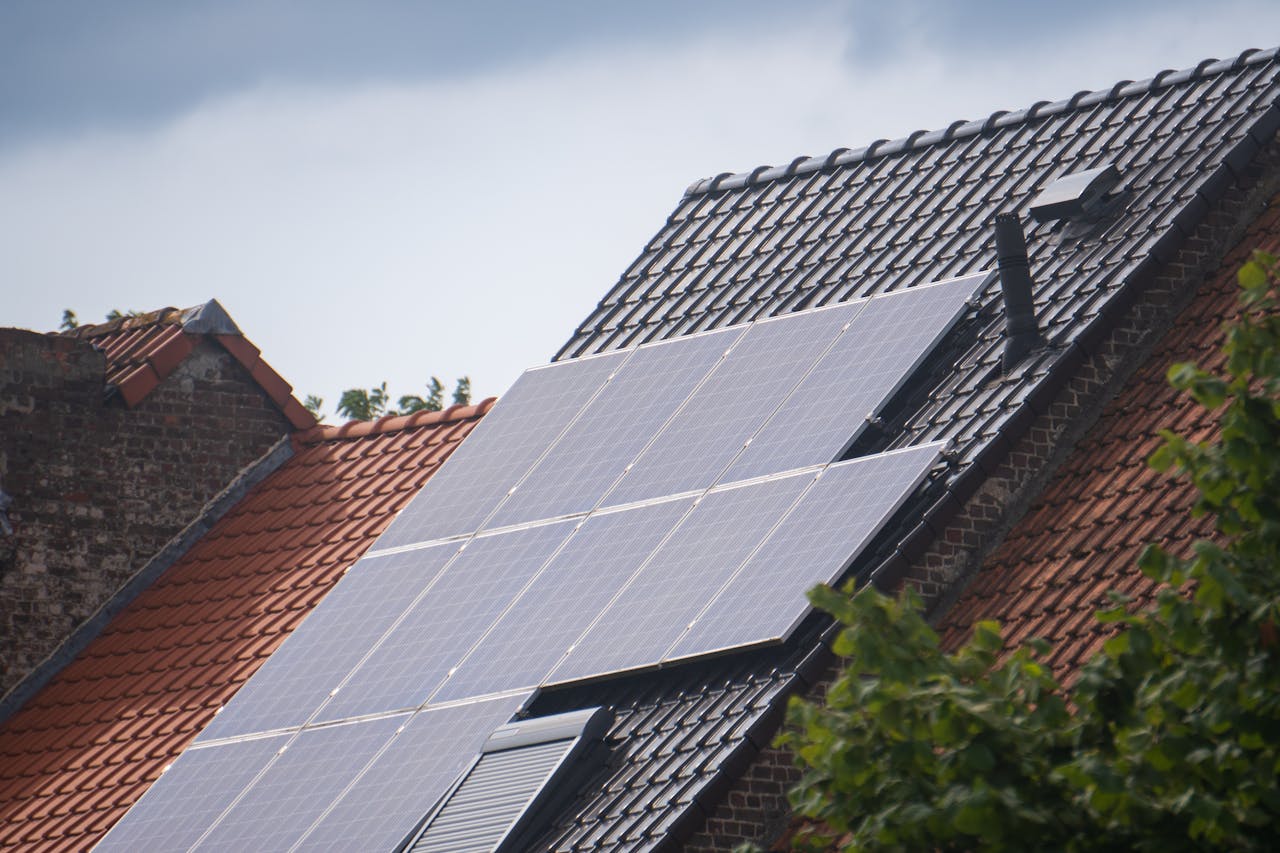
Let’s get straight to the point. Yes, solar panels are still a solid investment in 2026, but the picture has shifted quite a bit compared to a few years back. Prices have dropped, technology got better, but electricity tariffs and feed-in rates haven’t always moved in your favour. So the real question isn’t “are panels worth it” but rather “are they worth it for your specific situation?” And honestly, that’s where most online articles fail you.
I’ve been digging into this for a while now, talking to installers, comparing quotes, reading actual user feedback. What I can tell you is that the average UK household with a decent south-facing roof is currently looking at a payback period somewhere between 8 and 12 years, depending on a bunch of factors I’ll break down below. If you want to dig deeper into the technical side and stay updated on the sector, the folks over at https://www.actualite-photovoltaique.fr publish some genuinely useful stuff on installation news, market trends and feed-in tariffs, even if it’s mostly French-focused.
How much does a solar installation actually cost in 2026?
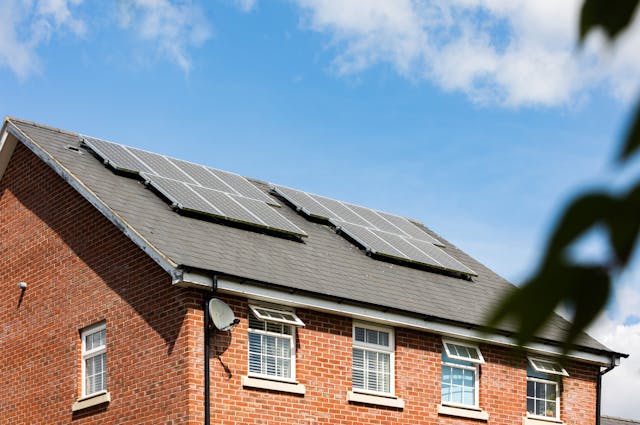 Let’s talk numbers because that’s what everyone wants to know. For a typical 4 kWp system (which covers most family homes), you’re looking at roughly £5,500 to £8,000 all-in, including installation, inverter and VAT. Five years ago that same system would’ve cost you 30% more easily. Panels themselves got cheaper, that’s clear, but labour and components like inverters didn’t drop as much.
A 6 kWp setup, which makes more sense if you’ve got an EV or a heat pump, sits around £8,000 to £11,000. Add a battery and you’re adding another £4,000 to £6,000 depending on capacity. Perso, I think batteries are still a bit overpriced for what they offer, but I get why people want one.
Quick reality check though : be very careful with quotes that seem suspiciously low. I’ve seen installers offer 4 kWp at £3,500 and turn out to use rebadged panels with sketchy 10-year warranties. Not worth it.
Real payback period : what to actually expect
Here’s where it gets interesting. The payback time depends on three things mainly :
Your self-consumption rate. If you’re home during the day, work remotely, or run appliances like a dishwasher or washing machine while the sun is up, you’ll consume more of what you produce. That’s where the real savings happen, because every kWh you self-consume saves you the full retail price of electricity (around 27-30p/kWh right now). If you’re out all day and just export everything, you only get the export tariff, which is way less generous.
Your export tariff. The Smart Export Guarantee (SEG) varies a lot between suppliers. Octopus offers some of the better rates, but it changes regularly. Compare before you sign anything.
Your roof situation. Orientation, tilt, shading. A south-facing roof at 30-35° is the gold standard. East-west split works too, just less peak production. North-facing ? Honestly, don’t bother.
Realistic scenario for a UK family with average consumption : a 4 kWp system saves around £700 to £900 per year combining self-consumption and export. Do the math, that’s an 8-10 year payback. Not bad when panels are warrantied for 25-30 years.
Is it still really worth it then ?
Franchement, yes, for most people. But not because it’s a goldmine. It’s because once paid off, you’ve got 15+ years of basically free electricity, plus you’re insulated from price spikes (and we’ve seen plenty of those lately). The financial return on the second half of the panel’s life is where the real win sits.
That said, I wouldn’t recommend it to everyone. If you’re planning to move within 5 years, the math gets shaky. If your roof needs replacing soon, get that sorted first. And if you’re considering taking a loan to finance the panels at high interest rates, the numbers can quickly turn against you. Cash purchase or low-rate green loan, that’s where it makes sense.
What about batteries ? Worth adding or not ?
This one’s tricky. A battery boosts your self-consumption rate from around 30% to 60-70%, which is huge on paper. But the upfront cost stretches your payback by 4-6 extra years. So the question becomes : are you optimising for money or for energy independence ?
If it’s purely financial, skip the battery for now. Wait for prices to drop further (they will). If you want resilience against power cuts or you’re prepping for time-of-use tariffs where you charge cheap at night and use during the day, then yeah, a battery makes sense.
Quick checklist before you sign anything
 Get at least three quotes. I cannot stress this enough. Prices vary wildly for the same equipment. Check the panel brand and warranty. Tier 1 manufacturers like REC, LG, Q Cells, JA Solar are reliable. Verify the installer is MCS certified, that’s non-negotiable for SEG eligibility. Ask about the inverter brand. SolarEdge, Fronius, Huawei are solid. And read the contract carefully, especially the clauses on maintenance and what happens if the installer goes bust.
Final word
Solar panels in 2026 aren’t the no-brainer some sites make them out to be, but they’re far from a bad deal. For homeowners who plan to stay put, have a decent roof, and consume a chunk of their electricity during daytime hours, the case is genuinely strong. Just don’t rush. Get proper quotes, compare, and run your own numbers based on your actual consumption. That’s the only way to know if it’s worth it for you.
So, ready to get a quote or still hesitating ? Either way, the trick is to base your decision on your real usage, not on average promises from a glossy brochure.